Western business leaders don’t know how fast China is catching up with them
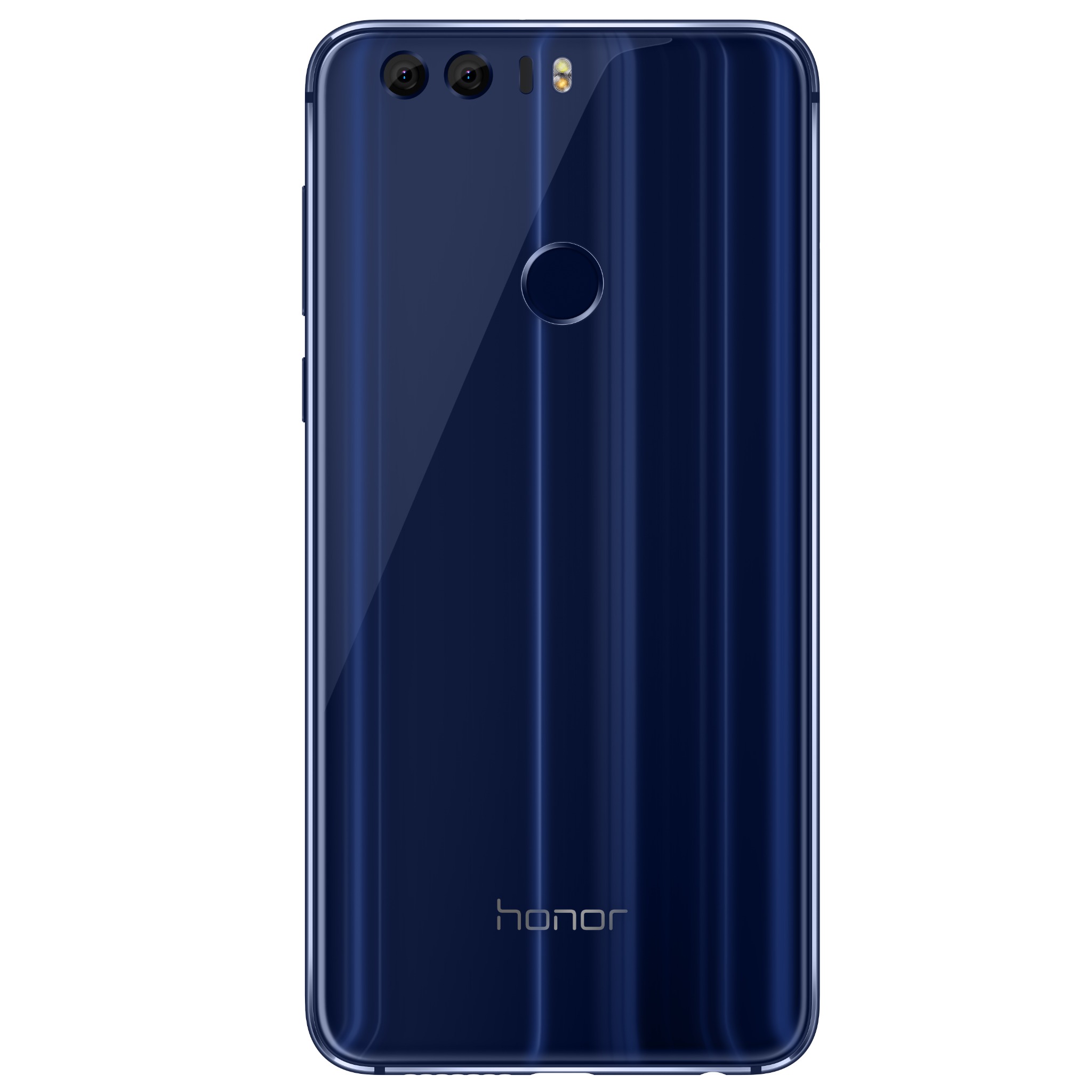
Ever heard of an HONOR smartphone? Me neither. But after I started looking into the rapid, and unprecedented, advance of Chinese brands into western economies – for two articles on the topic I wrote for Management Today this month – I became such a convert I’m seriously considering getting one when my iPhone gives up the ghost.
HONOR specialises in foldable phones that can comfortably balance an 84kg fridge from their hinge (as documented in a viral video that made it into the Guinness Book of Records). After less than three years in the European market, it has become the fourth largest smartphone maker across the continent by revenue – and all with a relatively frugal marketing budget and, significantly, at a price point that brackets it with rivals such as Samsung rather than budget brands.
This is not the usual playbook of Chinese manufacturers, who were supposed to primarily be imitators of western innovation. We’re used to the idea – exemplified best by white goods maker Haier – that Chinese firms would, gradually, move up the value chain and become market leaders. But that timeline is now being massively accelerated. From EVs (a sector where Chinese brands now dominate in Asia and, increasingly, Europe) to wind turbines and cosmetics, Chinese innovation is seducing western wallets and launching breakthrough brands on an almost monthly basis that aspire to the trajectories of BYD, Huawei (former owner of HONOR), Xiaomin and Shein.
These same dynamics are playing out in China itself. The bubble of western brands’ growth has well and truly burst this year: Starbucks has sold control of its local business, while Uniqlo and Estée Lauder head a long list of brands that are seeing profits plunge. Partly that is down to economics, as growth slides from its recent highs and consumer spending is reigned in, and partly it’s economic nationalism as consumers react to tariffs and perceived attacks on China by spending local.
The biggest factor, however, is that buying a Chinese brand is no longer seen as trading down. As Huan Gao, managing director at Alvarez & Marsal in Beijing, told me: “You can’t separate local and global brands any more just by pricing and quality.” That’s true in a huge range of sectors. China now makes weight loss drugs that outsell western brand names and has literally thousands of plant-based milk start-ups that have prevented the likes of Oatly gaining a foothold.
If western business leaders aren’t aware of these twin forces – resurgent Chinese brands dominating at home and overseas – in their own sectors, it’s probably only a matter of time. Auto manufacturers have seen BYD cut swathes through many markets, and others are following in its wake. Today, according to the China Chamber of Commerce to the EU, there are more than 2,800 Chinese businesses in the EU, employing 270,000 people.
China’s vast size and hugely differentiated consumer market – ranging from megacities like Shanghai and Beijing to around 70 so-called third-tier cities that each house more than 4 million people – means it can test products in real time, scale them rapidly and launch into western markets at an advanced state of readiness.
These businesses benefit, too, from lower labour costs as they pursue homegrown innovation. And, to varying degrees, most are state subsidised, handing them an inbuilt financial advantage as they grow and earning the chagrin of US and EU politicians. It results in firms like Li Ning and Anta (which, notably, both operate as genuinely private enterprises) being able to outgun Nike in both their home market and, increasingly, further afield, a trajectory that could end in a previously unthinkable reshaping of the sportswear world order, to give just one example.
At present, this phenomenon is largely restricted to consumer goods, food and beverage and the parts of the industrial supply chain the west hasn’t deemed too critical to lock China out of. Knowledge-based services will take a lot longer. But is it so ridiculous to claim we might one day see a Beijing management consultancy advising clients in London, or a Shanghai art dealership gunning for Sotheby’s? A decade ago, many commentators would have laughed at HONOR too.
Post a comment